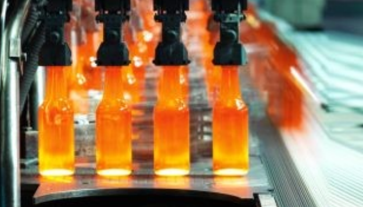
 Temperature measurement is one of the most critical control variables in modern industrial processes. From heat treatment and metal processing to glass manufacturing, food production, energy generation, and petrochemical refining, precise temperature data underpins safety, efficiency, quality, and regulatory compliance.
Inaccurate or unstable temperature measurement can result in:
For this reason, selecting the correct temperature sensor is not simply a purchasing decision — it is a process engineering decision that directly impacts operational performance.
Among the available temperature sensing technologies, thermocouples remain one of the most widely used solutions in industrial environments. Their durability, versatility, and ability to measure extreme temperatures make them indispensable across a broad range of applications.
Pyrosales, as a long-established Australian manufacturer and specialist in temperature measurement, has decades of experience designing and supplying thermocouples tailored to demanding industrial conditions. This guide draws on that practical expertise to explain how to select the right thermocouple for your application.
Before focusing exclusively on thermocouples, it is important to understand where they sit within the broader landscape of temperature measurement technologies.
The most commonly used industrial temperature sensors include:
Each technology has strengths and limitations, and the correct choice depends on the application environment, required accuracy, response time, and operating temperature range.
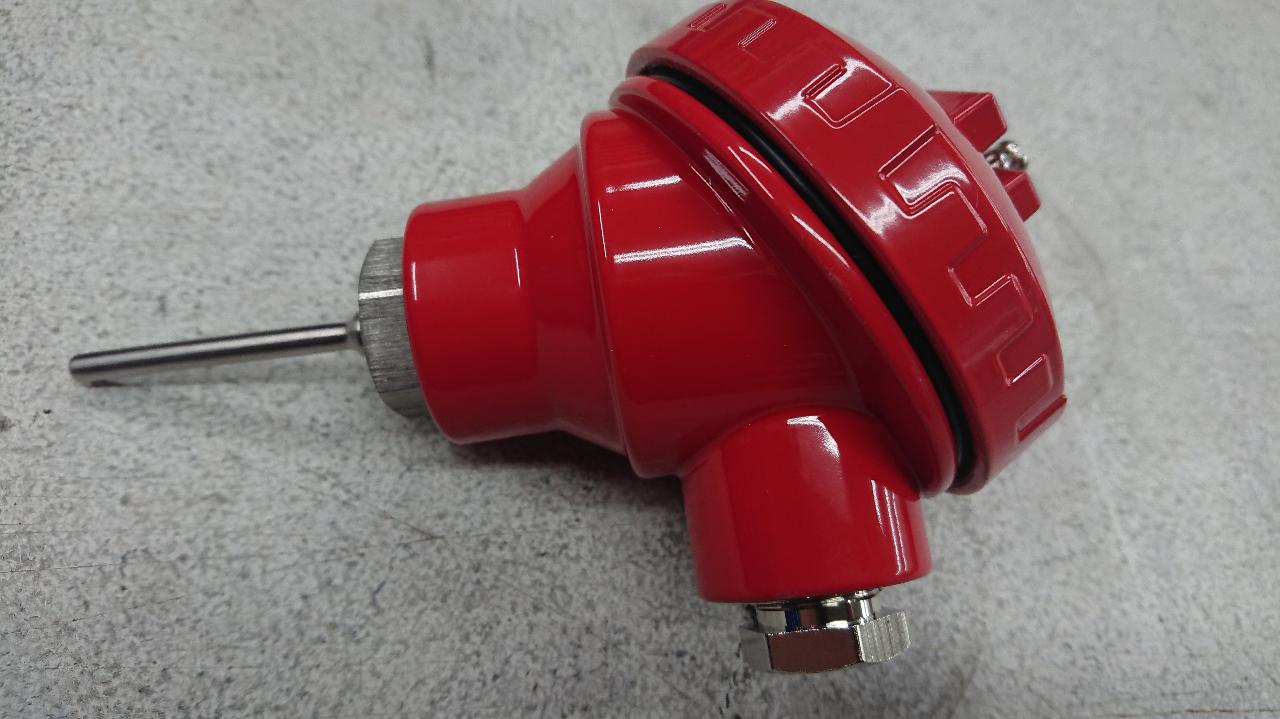 Thermocouples operate based on the Seebeck effect, where a voltage is generated when two dissimilar metals are joined at one end (the hot junction) and exposed to a temperature difference relative to the reference junction.
Key advantages of thermocouples include:
These characteristics make thermocouples ideal for harsh industrial environments where other sensors may fail.
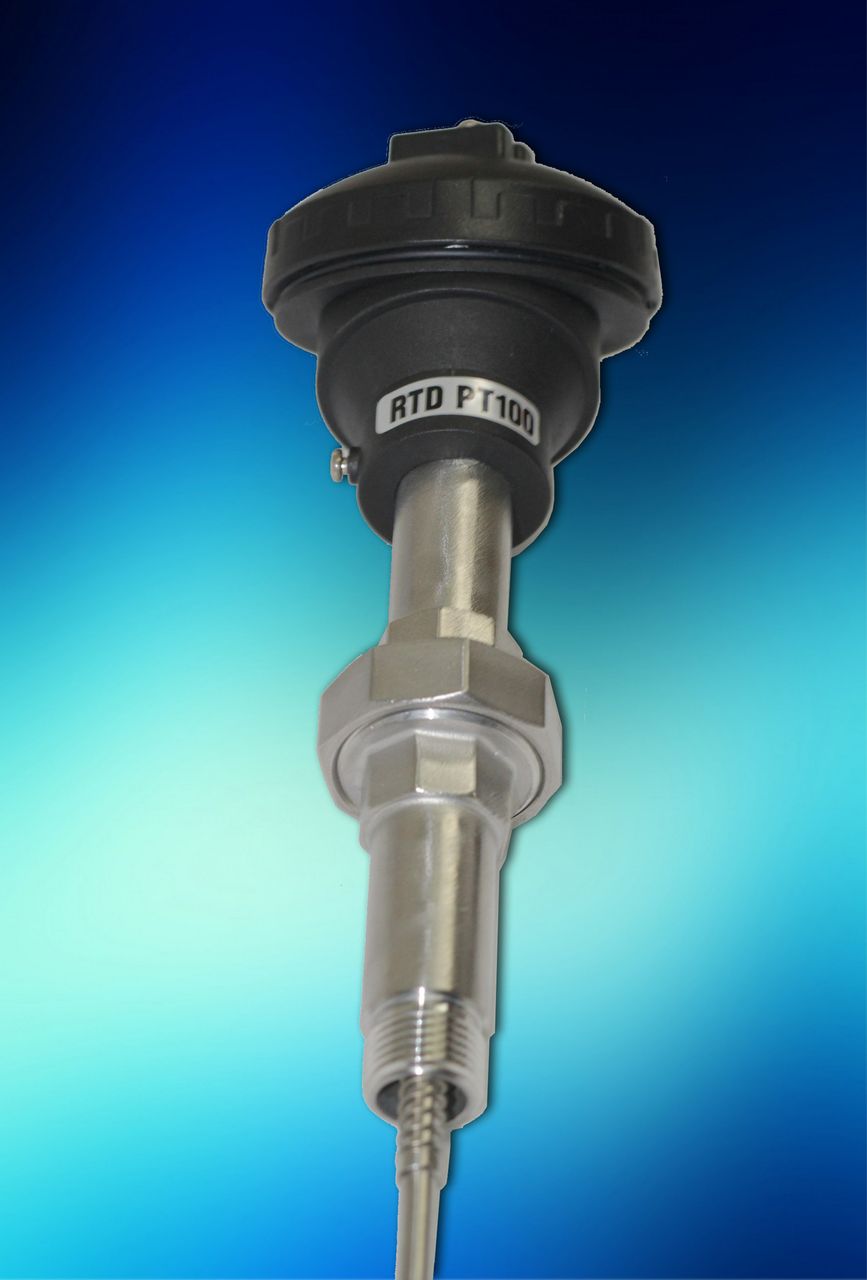 RTDs measure temperature by correlating resistance changes in a metal element (typically platinum) with temperature.
Advantages of RTDs include:
However, RTDs are generally limited to lower temperature ranges and are more sensitive to mechanical damage than thermocouples.
Choosing Between Thermocouples and RTDs
As a general rule:
Pyrosales supports both technologies, but thermocouples remain the dominant choice for heavy industrial and high-temperature applications.
A thermocouple consists of two dissimilar metallic conductors joined at one end to form a sensing junction. When the junction is exposed to heat, it generates a voltage proportional to the temperature difference between the sensing junction and the reference junction.
This voltage is measured and converted into a temperature value by an instrument such as:
A typical industrial thermocouple assembly includes:
Each component plays a critical role in the overall performance, accuracy, and durability of the sensor.
Thermocouples are used extensively across industries due to their ability to operate reliably under conditions that would quickly degrade other sensors.
Depending on the thermocouple type, measurement ranges can extend from below -200 °C to well above 1,600 °C. Certain noble-metal thermocouples can tolerate even higher temperatures under controlled conditions.
This makes thermocouples suitable for applications such as:
Industrial thermocouples are often exposed to:
With appropriate sheath materials and construction, thermocouples can withstand these conditions far better than many alternative sensor types.
Thermocouples respond quickly to temperature changes, particularly when designed with grounded or exposed junctions. This is critical in processes where rapid temperature fluctuations must be detected and controlled.
Compared to RTDs and other high-accuracy sensors, thermocouples are relatively economical, particularly when high temperatures or multiple measurement points are required.
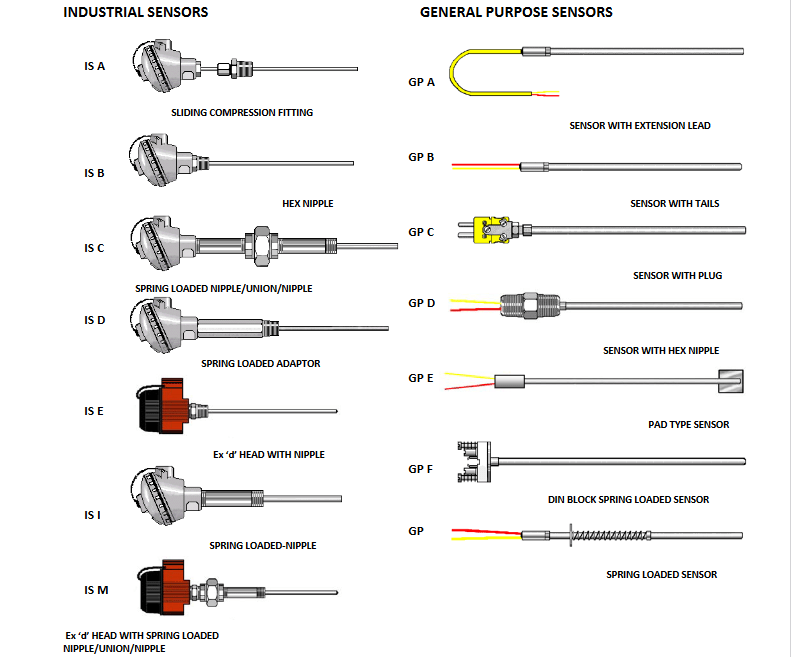
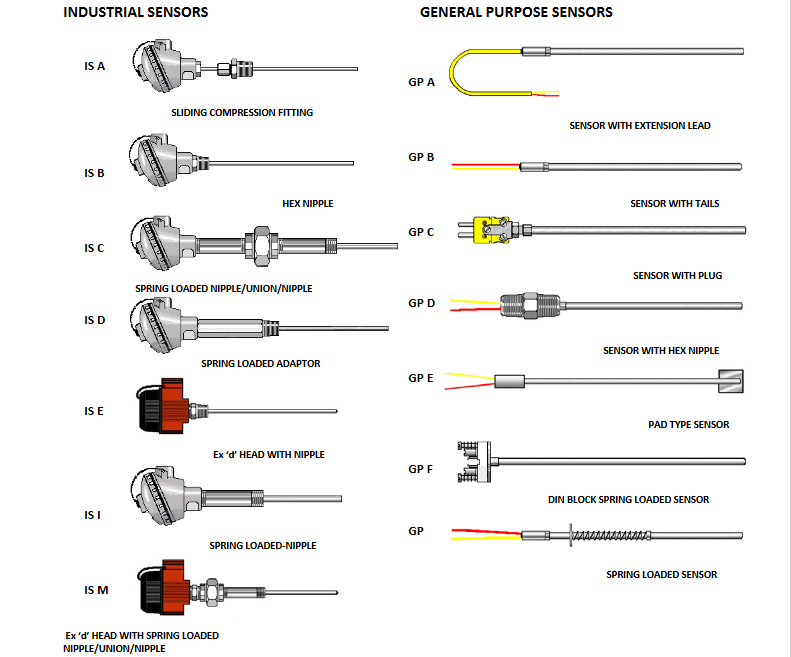 Thermocouples are categorised by type, defined by the specific metal alloys used in their construction. Each type has unique characteristics that influence its suitability for different applications.
Common thermocouple types include:
Type K thermocouples are among the most widely used in industrial environments.
Characteristics:
Typical applications:
Type K thermocouples are commonly supplied by Pyrosales in a wide variety of probe styles, sheath materials, and mounting configurations.
Type J thermocouples use Iron and Constantan conductors.
Characteristics:
Typical applications:
 Noble Metal Thermocouples (Types R, S, B)
These thermocouples use platinum-based alloys and are designed for very high temperature applications.
Characteristics:
Typical applications:
Selecting the correct thermocouple is never just about temperature range. The application environment determines the most suitable combination of materials, construction, and configuration.
Process Environment
Consider whether the thermocouple will be exposed to:
The answers directly influence sheath material selection and junction type.
While thermocouples are not as inherently accurate as RTDs, appropriate design, calibration, and signal conditioning can provide excellent performance for most industrial processes.
Pyrosales offers calibration and testing services to ensure thermocouples meet required tolerances.
Physical constraints such as:
must be considered during sensor design.
Role of Pyrosales in Thermocouple Design and Supply
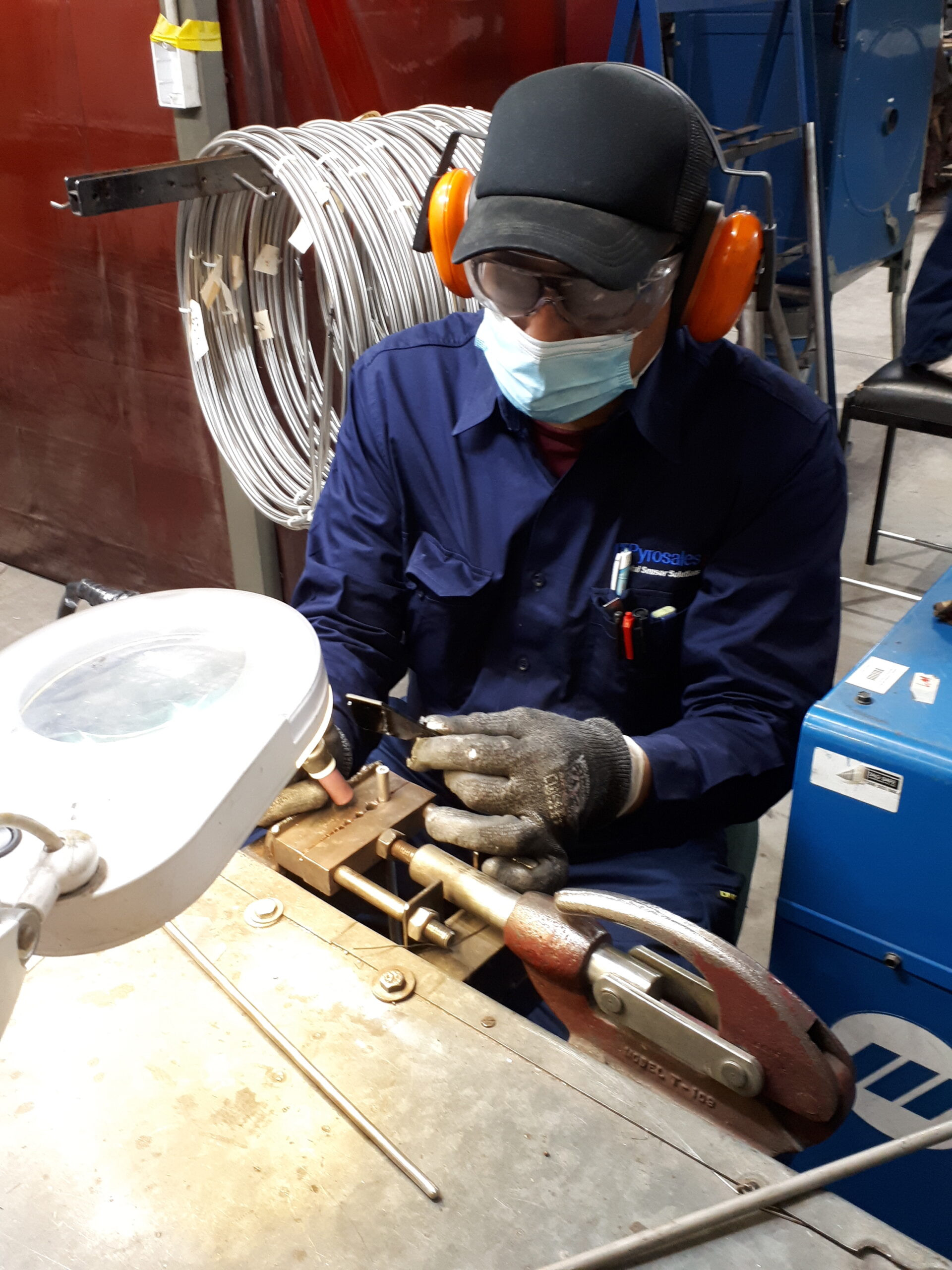 Pyrosales is not simply a distributor of off-the-shelf sensors. The company specialises in custom-engineered temperature measurement solutions designed to suit specific industrial requirements.
Capabilities include:
This expertise allows Pyrosales to support complex applications where standard catalogue sensors are inadequate.
While thermocouples are often discussed in terms of “type” (K, J, R, etc.), the physical construction of the thermocouple is just as important as the alloy combination. Poor construction choices can lead to inaccurate readings, shortened sensor life, or outright failure in demanding environments.
A well-designed industrial thermocouple balances thermal performance, mechanical strength, chemical resistance, and installation practicality.
A complete thermocouple assembly typically consists of:
Each component must be selected with the application in mind.
The probe diameter directly influences:
Smaller diameter probes:
Larger diameter probes:
In high-vibration environments such as furnaces, kilns, or rotating machinery, larger diameters are often preferred despite the slower thermal response.
Probe length affects both measurement accuracy and sensor survivability.
Key considerations include:
As a general guideline, the sensing junction should be immersed at least 10 times the probe diameter into the process medium to minimise stem conduction effects.
Pyrosales regularly assists customers in determining optimal probe lengths based on real-world process conditions.
The sheath material is one of the most critical design decisions when specifying a thermocouple. It provides mechanical protection while also acting as the interface between the sensing element and the process environment.
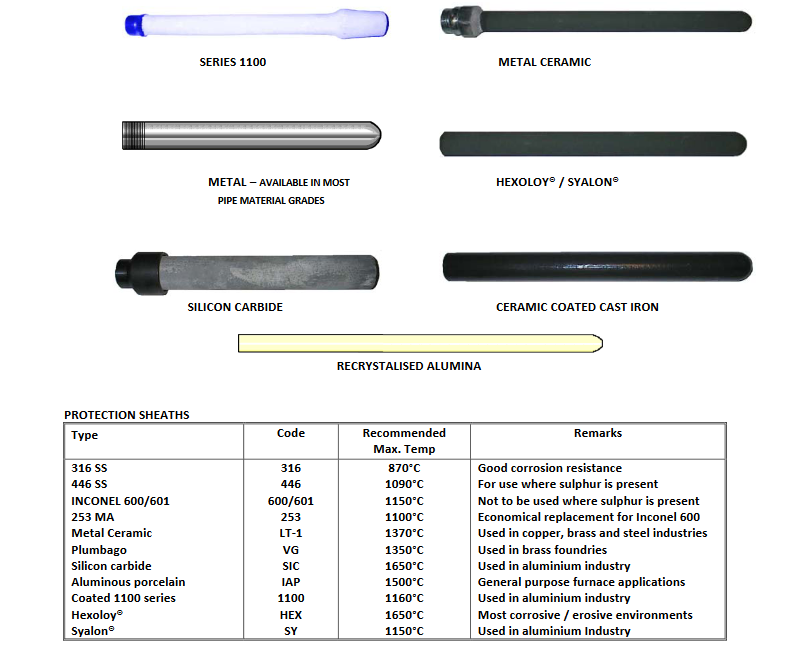 Stainless Steel
Inconel
Exotic Alloys
Choosing the wrong sheath material can lead to:
Pyrosales leverages application-specific experience to recommend sheath materials that provide the best balance between durability and cost.
Insulation Materials and Their Role
Inside the sheath, thermocouple wires must be electrically insulated from each other and from the sheath.
Common Insulation Materials
MgO is widely used in mineral-insulated thermocouples due to its:
Proper insulation selection ensures signal integrity and long-term reliability.
The junction type plays a major role in thermocouple performance, response time, and resistance to electrical noise.
In grounded junction designs, the thermocouple junction is welded directly to the inside of the sheath.
Advantages:
Disadvantages:
Grounded junction thermocouples are commonly used in industrial processes where rapid temperature changes must be detected.
In ungrounded designs, the junction is electrically isolated from the sheath.
Advantages:
Disadvantages:
Ungrounded junctions are often preferred in electrically noisy environments or when connected to sensitive control systems.
Exposed junction thermocouples have no protective sheath at the sensing point.
Advantages:
Disadvantages:
These are typically used in gas measurement or laboratory environments.
Thermowells and Mechanical Protection
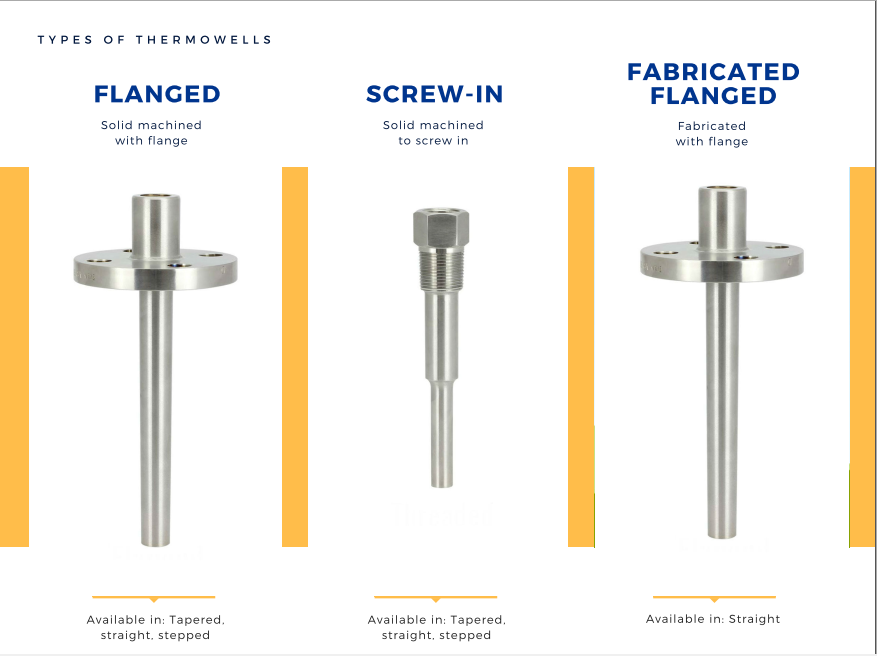 In many industrial applications, thermocouples are installed inside thermowells to provide additional protection.
Purpose of Thermowells
Thermowells:
Thermowell Design Considerations
Key design factors include:
Incorrect thermowell design can result in resonance and fatigue failure. Pyrosales provides guidance to ensure thermowell designs meet industry standards and application requirements.
Thermocouples must be securely mounted to ensure accurate measurement and safe operation.
Common Mounting Methods
Each method has advantages depending on accessibility, pressure, and installation constraints.
Sealing and Leak Prevention
Proper sealing is essential in pressurised or hazardous environments. Selecting appropriate fittings and gaskets helps prevent leaks and ensures compliance with safety regulations.
Extension Wires, Cables, and Connectors
 The thermocouple signal is relatively small and can be affected by incorrect wiring.
Extension wire must be made from compatible alloys to avoid introducing measurement errors.
Cable Insulation
Cable insulation should be chosen based on:
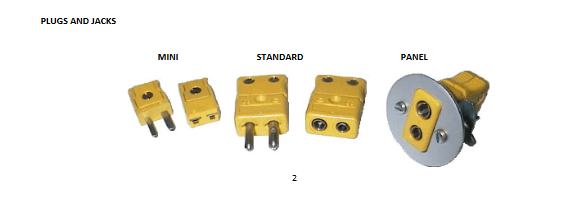
Connectors
Correct connectors ensure reliable signal transmission and ease of maintenance.
Installation Best Practices
 Correct installation is essential to achieving accurate and repeatable temperature measurements.
Immersion Depth
Insufficient immersion depth can cause heat conduction errors.
Avoiding Electrical Interference
Mechanical Support
Provide adequate strain relief and support to prevent vibration-induced damage.
Maintenance and Sensor Life Expectancy
Thermocouple lifespan depends on:
Routine inspection and preventative maintenance can extend sensor life and reduce unplanned downtime.
Pyrosales offers repair and refurbishment services to help extend the life of existing sensors.
At the core of every thermocouple is a pair of dissimilar metal alloys. The specific alloy combination determines the thermocouple’s temperature range, sensitivity, stability, and resistance to environmental influences such as oxidation or corrosion.
While thermocouple “types” are often treated as interchangeable, in reality each alloy behaves differently under thermal and chemical stress. Selecting the wrong type can lead to drift, premature failure, or misleading readings.
Key Performance Factors of Thermocouple Alloys
When evaluating thermocouple alloys, engineers must consider:
These factors vary significantly between base-metal and noble-metal thermocouples.
Base-metal thermocouples are the most widely used in industrial environments due to their cost-effectiveness, durability, and broad operating ranges.
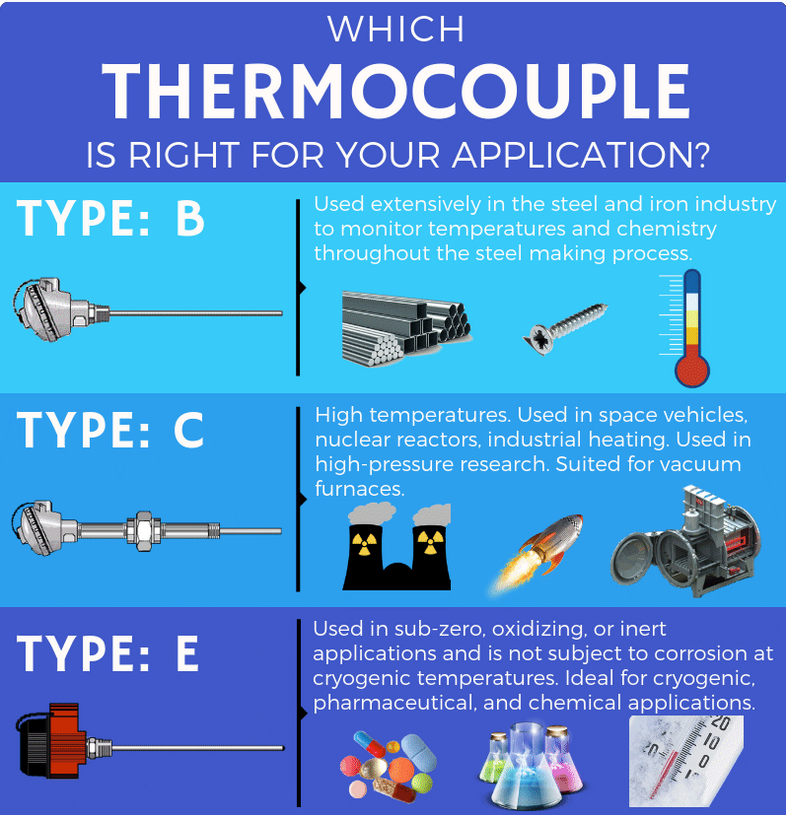 Type K thermocouples are often considered the default choice for general industrial temperature measurement.
Key characteristics:
Typical applications:
Type K thermocouples are widely supported by control systems and instrumentation, making them easy to integrate into existing processes. Pyrosales commonly supplies Type K thermocouples in mineral-insulated and heavy-duty industrial formats.
Type J thermocouples are commonly used in moderate temperature applications.
Key characteristics:
Typical applications:
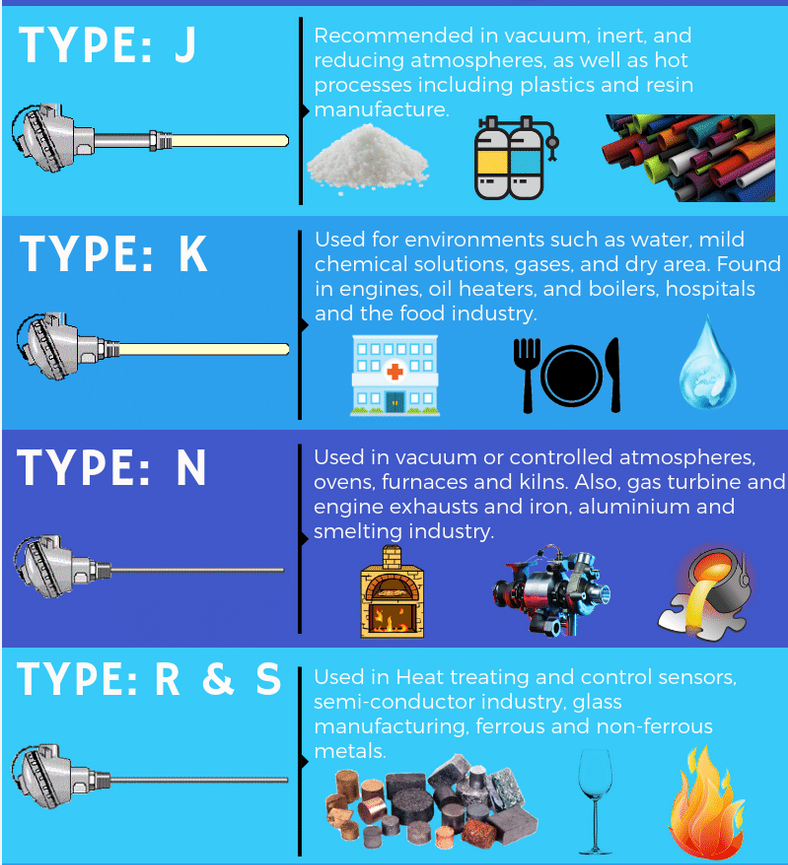 While cost-effective, Type J thermocouples are less suitable for high-temperature or oxidising environments compared to Type K.
Type T thermocouples are particularly well suited to low-temperature and cryogenic applications.
Key characteristics:
Typical applications:
Type E thermocouples provide one of the highest sensitivities among base-metal thermocouples.
Key characteristics:
Typical applications:
Type N thermocouples were developed to address some of the limitations of Type K thermocouples, particularly long-term drift at high temperatures.
Key characteristics:
Typical applications:
Noble-metal thermocouples use platinum-based alloys and are designed for very high-temperature and high-accuracy applications.
Key characteristics:
Typical applications:
Type S thermocouples are similar to Type R but offer slightly different performance characteristics.
Typical applications:
Type B thermocouples are designed for extreme temperatures.
Key characteristics:
Typical applications:
Even the correct thermocouple type can perform poorly if environmental influences are not considered.
Oxidising and Reducing Atmospheres
Certain alloys degrade rapidly in reducing or sulphurous atmospheres. Selecting appropriate sheath materials and thermocouple types is critical.
Chemical Contamination
Exposure to chemicals such as sulphur, halogens, or molten metals can contaminate thermocouple alloys, leading to drift or failure.
Thermal Cycling
Repeated heating and cooling can cause mechanical stress, particularly at the junction. Proper design helps mitigate fatigue.
Industry-Specific Thermocouple Applications
Furnaces and Kilns
Furnaces and kilns represent some of the most demanding thermocouple applications.
Key requirements:
Common solutions include Type K, Type N, and noble-metal thermocouples with Inconel or ceramic sheaths.
Heat treatment processes require precise temperature control to ensure material properties.
Typical challenges:
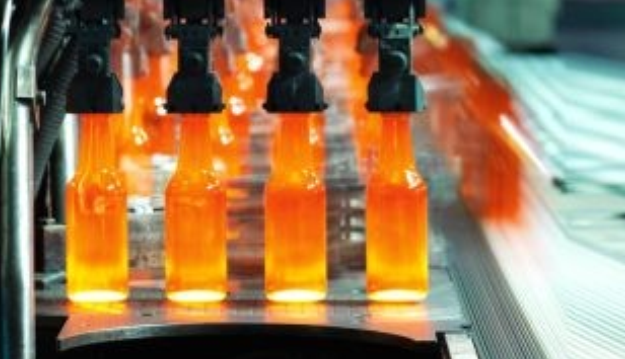 Pyrosales designs thermocouples specifically for heat treatment applications, balancing durability with measurement accuracy.
Glass Manufacturing
Glass production involves extremely high temperatures and chemically aggressive environments.
Key considerations:
Petrochemical and Chemical Processing
Chemical processing environments may expose sensors to corrosive substances, high pressures, and hazardous conditions.
Typical solutions:
Food and Beverage Processing
 In food production, hygiene, accuracy, and repeatability are critical.
Key considerations:
Type T and Type K thermocouples are commonly used, often in hygienic probe designs.
Power Generation
Power plants rely on temperature measurement for efficiency and safety.
Applications include:
Thermocouples must withstand high temperatures, vibration, and long operating cycles.
Accuracy, Drift, and Calibration Considerations
Understanding Thermocouple Accuracy
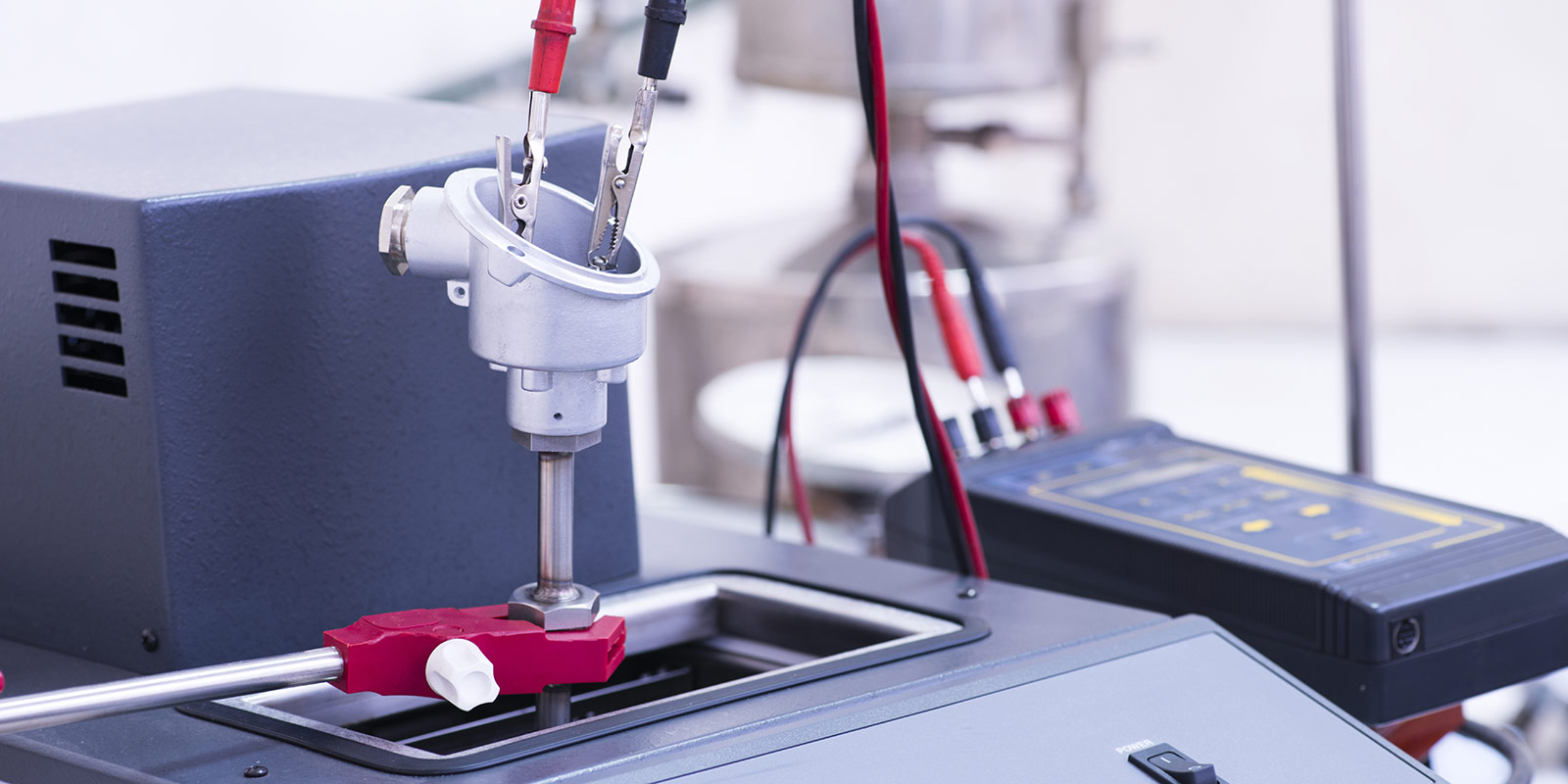 Thermocouple accuracy depends on:
Long-Term Drift
Drift occurs due to:
Type N and noble-metal thermocouples offer improved stability for long-term use.
Regular calibration ensures measurement accuracy and compliance with quality standards.
Pyrosales provides calibration support to verify sensor performance and identify drift before it affects process outcomes.
When selecting a thermocouple, engineers should evaluate:
This structured approach helps avoid common selection errors.
Even the most carefully selected thermocouple can produce inaccurate or unreliable readings if it is poorly installed. Installation directly affects measurement accuracy, response time, sensor lifespan, and safety.
Correct Sensor Placement
 Proper sensor placement ensures the thermocouple measures the true process temperature, not a distorted value influenced by heat conduction, radiation, or ambient conditions.
Key placement principles include:
Incorrect placement is one of the most common causes of temperature measurement error.
Immersion Depth and Thermal Conduction Errors
If a thermocouple is not immersed sufficiently, heat can conduct away from the sensing junction along the probe stem, resulting in lower-than-actual readings.
General guidelines include:
Orientation and Flow Considerations
In flowing media, thermocouples should ideally be oriented:
Correct orientation improves response time and reduces mechanical stress.
Thermocouples generate small voltage signals, typically in the microvolt range. As a result, they are particularly susceptible to electrical noise and interference.
Common Sources of Electrical Interference
Electrical interference can manifest as unstable or erratic temperature readings.
Grounding Best Practices
Grounding strategy depends on the junction type:
Best practices include:
Cable Routing and Separation
Thermocouple wiring should be routed separately from power cables to minimise electromagnetic interference.
Recommended practices:
Thermocouple Signal Conditioning
Because thermocouple output is non-linear and reference-junction dependent, proper signal conditioning is essential.
Cold Junction Compensation (CJC)
Thermocouples measure temperature difference, not absolute temperature. Cold junction compensation accounts for the reference junction temperature to provide accurate readings.
CJC can be implemented via:
Linearisation
Thermocouple voltage-temperature relationships are non-linear. Modern instrumentation uses digital linearisation algorithms to convert voltage into accurate temperature readings.
Signal Amplification
In long cable runs or noisy environments, amplification may be required to improve signal integrity.
Thermocouple Instrumentation and Integration
Thermocouples are only as effective as the instrumentation interpreting their signals.
Temperature Controllers
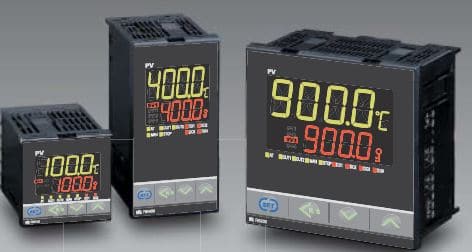 Temperature controllers receive thermocouple inputs and regulate heating or cooling systems accordingly.
Key controller features include:
Transmitters
Transmitters convert thermocouple signals into standardised outputs such as 4–20 mA or digital protocols.
Benefits include:
PLC and SCADA Integration
Thermocouples are commonly connected to PLC input modules for process control and monitoring.
Considerations include:
Controllers, Indicators, and Displays
I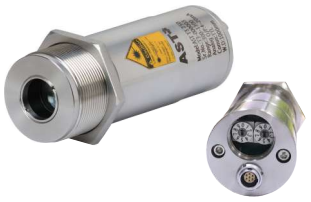 n addition to automated control systems, thermocouples are often paired with local indicators or handheld instruments.
Panel-Mounted Indicators
These provide real-time temperature display for operators.
Handheld Thermocouple Meters
Used for diagnostics, commissioning, and maintenance activities.
Redundancy and Safety Monitoring
Critical processes may use redundant thermocouples to improve safety and reliability.
Common Thermocouple Installation Errors
Understanding common errors helps prevent costly troubleshooting later.
Incorrect Thermocouple Type Selection
Using the wrong thermocouple type or extension wire can introduce significant errors.
Poor Junction Contact
Loose or improperly formed junctions reduce response time and accuracy.
Inadequate Mechanical Support
Vibration can cause conductor fatigue and intermittent failures.
Environmental Damage
Exposure to moisture, chemicals, or excessive heat can degrade insulation and wiring.
Troubleshooting Thermocouple Problems
When a thermocouple system produces unexpected results, systematic troubleshooting is required.
Erratic Readings
Possible causes:
Slow Response Time
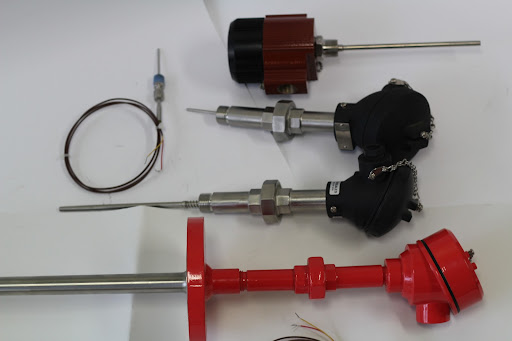 Possible causes:
Drift Over Time
Possible causes:
Complete Signal Loss
Possible causes:
Regular maintenance helps ensure consistent performance and avoids unplanned downtime.
Inspection Intervals
Inspection frequency depends on:
Replacement Planning
High-temperature thermocouples may be considered consumable items in some processes.
Documentation and Traceability
Maintaining records of installation dates, calibration results, and replacements helps identify trends and optimise maintenance schedules.
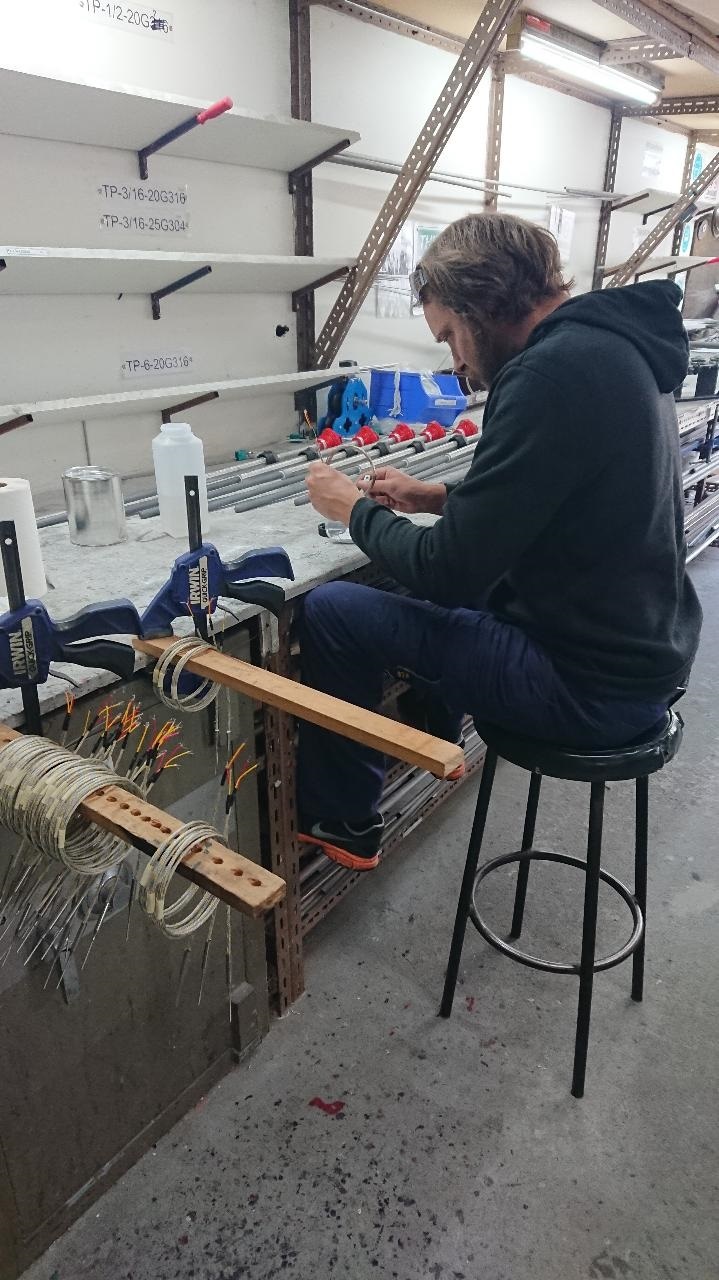 Temperature measurement systems play a critical role in industrial safety.
High-Temperature Hazards
Thermocouples in furnaces and boilers must be designed to withstand extreme conditions without failing catastrophically.
Hazardous Areas
In explosive or hazardous environments, thermocouples must comply with relevant standards and installation practices.
Fail-Safe Design
Fail-safe instrumentation ensures that loss of signal triggers protective actions rather than unsafe operation.
Why Standard Thermocouples Are Not Always Enough
While many industrial applications can be served by standard, catalogue thermocouples, a significant number of processes operate outside “ideal” conditions. High temperatures, aggressive atmospheres, unusual mechanical constraints, or regulatory requirements often demand custom-engineered solutions.
Standard thermocouples may fall short due to:
Custom thermocouples address these limitations by tailoring each element of the sensor to the application.
Custom thermocouple design involves optimising every component of the sensor assembly.
Defining the Process Requirements
The first step in custom design is understanding the process in detail:
This information guides material selection and mechanical design.
Selecting the Optimal Thermocouple Type
While Type K remains a common default, custom designs may benefit from:
The choice is driven by performance and longevity, not just upfront cost.
Multi-Layer Sheath Designs
In aggressive environments, a single sheath material may not provide sufficient protection. Multi-layer designs combine materials to improve resistance to:
Ceramic and Refractory Protection
Ceramic protection tubes are often used in glass and high-temperature furnace applications. While fragile, they offer excellent resistance to extreme heat and chemical exposure.
Thermowells for Sensor Longevity
Thermowells act as sacrificial components that protect the thermocouple from process conditions while allowing replacement without shutdown.
Proper thermowell design is essential to prevent vibration-induced fatigue.
 Custom thermocouples must integrate seamlessly with existing equipment.
Mechanical Compatibility
Custom fittings ensure compatibility with:
This reduces installation time and avoids costly modifications.
Electrical Compatibility
Signal compatibility with existing controllers, PLCs, and transmitters is critical.
Custom designs may include:
Lifecycle Cost vs. Purchase Price
One of the most common mistakes in thermocouple selection is focusing solely on initial purchase price.
Understanding Total Cost of Ownership (TCO)
Total cost of ownership includes:
A more expensive thermocouple with longer life and improved reliability often results in lower overall cost.
Consumable vs. Long-Life Sensors
In some processes, thermocouples are treated as consumables. In others, long-life designs justify higher upfront investment.
Understanding this distinction helps optimise cost and performance.
Importance of Calibration
Calibration verifies that thermocouples are operating within specified tolerances.
Regular calibration:
Traceability Requirements
 Industries such as pharmaceuticals, food, and aerospace often require traceable calibration records.
Proper documentation ensures compliance and audit readiness.
Repair, Refurbishment, and Sensor Reuse
Replacing a thermocouple is not always the most cost-effective solution.
When Repair Is Viable
Repair may be possible when:
Benefits of Refurbishment
Refurbishment reduces:
Pyrosales supports repair and refurbishment services to extend sensor life where feasible.
Over-Specifying Accuracy
In many industrial processes, extreme accuracy is unnecessary. Over-specification increases cost without improving outcomes.
Underestimating Environmental Severity
Failing to account for corrosion, vibration, or thermal cycling leads to premature failure.
Ignoring Installation Constraints
Even the best sensor will fail if it cannot be installed correctly.
Thermocouple Selection Checklist
Before finalising a thermocouple specification, confirm the following:
Using this checklist reduces selection errors and improves long-term performance.
Summary: Choosing the Right Thermocouple with Confidence
Choosing the right thermocouple requires balancing technical requirements, environmental conditions, installation constraints, and lifecycle costs.
Key takeaways include:
Why Work with Pyrosales
 Pyrosales brings decades of experience in temperature measurement, process control, and custom sensor manufacturing. Their expertise spans:
By working with Pyrosales, customers gain access to practical engineering knowledge, not just products.
Final Thoughts
Accurate temperature measurement is fundamental to safe, efficient, and profitable industrial operations. Thermocouples, when correctly selected and installed, provide reliable performance across a wide range of applications.
Whether you require a standard sensor or a custom-engineered solution, taking a systematic, informed approach ensures the best possible outcome.