
Selecting the Right Fixed Infrared
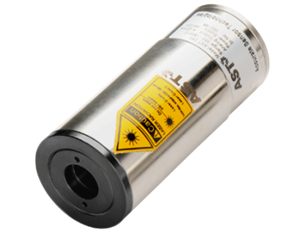 Selecting the right fixed infrared thermometer is essential in modern industry, where temperature remains one of the most critical variables influencing operations, directly affecting product quality and uniformity, process efficiency, equipment longevity, energy consumption, and operator safety, particularly in sectors such as steel manufacturing, food processing, plastics, glass production, and energy generation, where even small temperature variations can lead to scrap or rejected product, equipment stress or failure, increased operational costs, and regulatory non-compliance.
Traditionally, temperature measurement relied on contact-based sensors like thermocouples and RTDs, however these methods present limitations including physical wear and drift, slow response times, inability to measure moving or rotating targets, and safety risks in extreme environments, which has driven industries toward fixed infrared thermometers, permanently installed sensors that measure temperature without contact by detecting infrared radiation emitted by objects and converting it into electrical signals, enabling continuous monitoring, operation in harsh environments, integration into automated systems, real-time data output, and compatibility with signals such as 4–20 mA, Modbus, or RS-485.
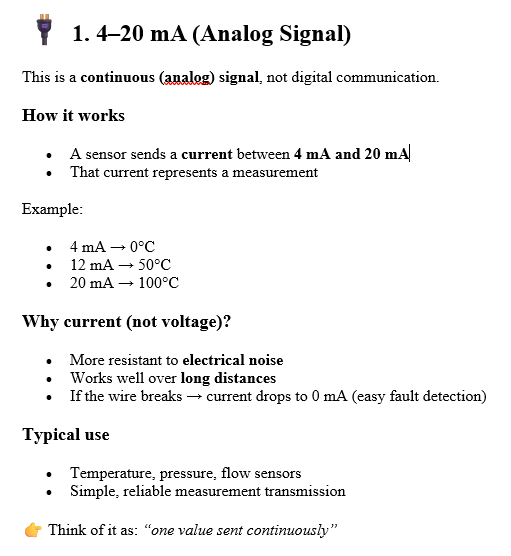

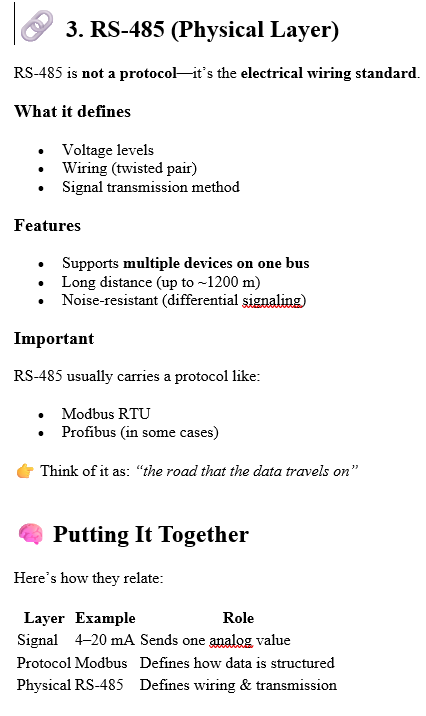
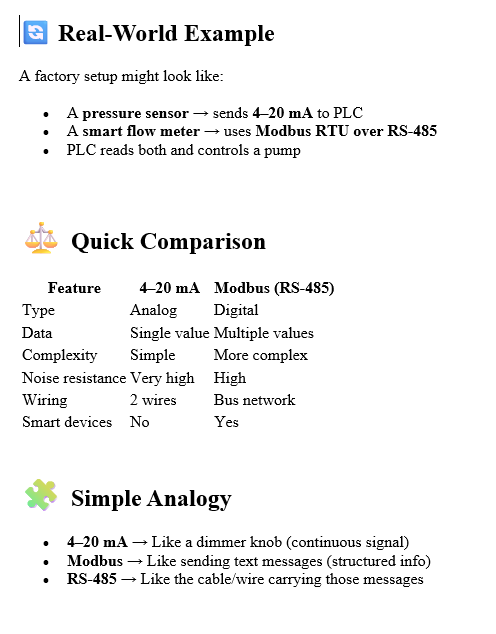
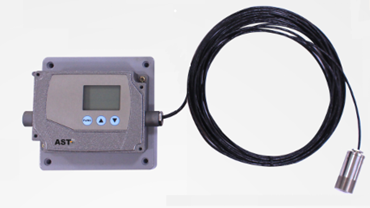 Infrared thermometers operate on the principle that all objects above absolute zero emit infrared radiation, with intensity increasing alongside temperature, using a lens to collect radiation, focusing it onto a detector, converting it into an electrical signal, and processing it into a temperature reading, offering advantages such as non-contact measurement eliminating wear and contamination, fast millisecond-level response ideal for moving processes, capability to measure extreme temperatures above 2000°C, and continuous monitoring that enhances automation and consistency. A widely used general-purpose option is the AST EL50 infrared thermometer, offering a temperature range of 0°C to 800°C, spectral range of 8–14 µm, fast response around 20 ms, multiple outputs including 4–20 mA and RS-485, and a compact industrial design, making it suitable for plastics, food processing, and general manufacturing applications.
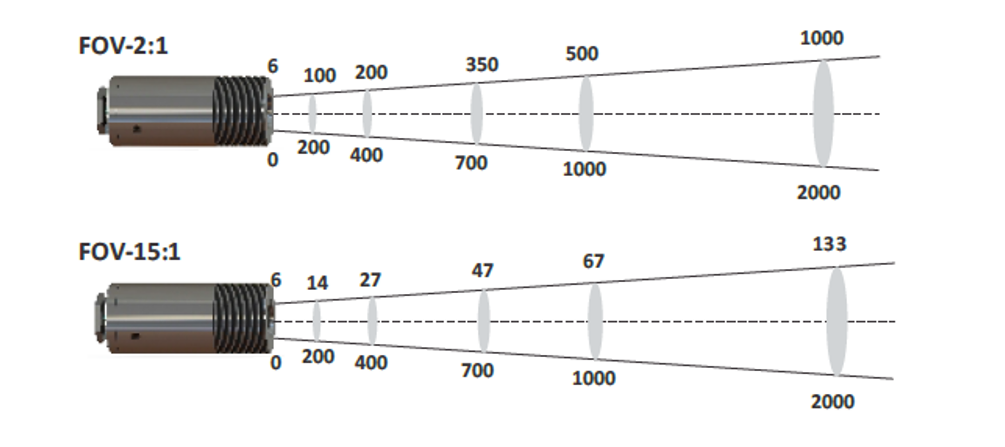
Choosing the correct sensor requires understanding key technical factors including optical performance through the distance-to-spot ratio which determines the measurement area at a given distance and must ensure the target fully fills the field of view to avoid background interference, temperature range and spectral response where standard applications typically operate between 0°C and 800°C with 8–14 µm wavelengths while high-temperature industries such as steel and glass require short wavelengths around 1–2 µm for temperatures exceeding 2000°C.
 Emissivity which defines how efficiently a surface emits infrared radiation and is critical for accuracy especially with reflective materials like polished metals that may require adjusted settings, short-wave sensors, or two-colour pyrometers, environmental conditions where most sensors operate up to around 70°C ambient and harsher environments demand cooling jackets, air purge systems, or protective housings, and target characteristics such as size, shape, movement, and surface condition, with moving targets like conveyors and rotating machinery being ideal for infrared measurement while small targets require high optical resolution and precise alignment.
Additional considerations include obstructions such as smoke, steam, dust, or dirty lenses which can affect readings and are often mitigated using two-colour pyrometers that maintain accuracy despite signal loss, and integration requirements ensuring compatibility with PLC and SCADA systems using outputs like 4–20 mA, RS-485, or Modbus.
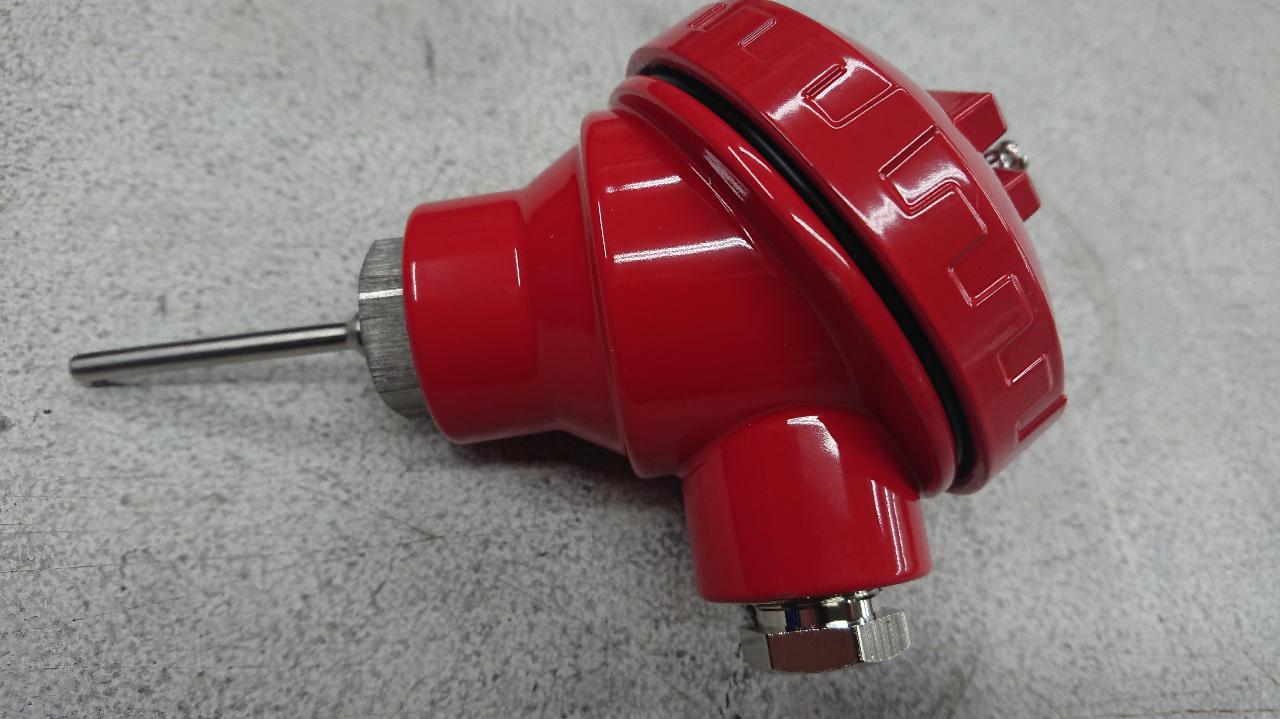 While selecting the correct sensor is important, installation and engineering design ultimately determine performance, as issues often arise from poor positioning, misalignment, environmental interference, lack of protection, or integration oversights, making proper installation critical for accuracy, stability, reduced maintenance, and longer sensor lifespan, requiring clear line of sight, ensuring the target fills the field of view, matching mounting distance with optical capability, and avoiding reflective interference.
Effective mounting typically involves adjustable brackets, threaded mounts, or ball-joint systems for precise alignment, with vibration considerations in heavy industrial environments requiring anti-vibration mounts or remote electronics configurations, while long-term performance depends heavily on environmental protection through air purge systems to prevent dust accumulation, cooling jackets using air or water for high-temperature environments such as furnaces and kilns, and protective housings to shield against mechanical damage, heat, and chemical exposure.
Managing the optical path is equally important, as contaminants like dust, oil vapours, steam, or condensation can reduce signal strength and cause drift, requiring solutions such as air purging, protective windows, and regular cleaning, while applications requiring measurement through windows must use infrared-transparent materials like sapphire or quartz and account for transmission losses.
Electrical integration involves reliable signal transmission using industry-standard outputs such as 4–20 mA for noise resistance and long-distance communication, alongside digital protocols like Modbus and RS-485 for remote configuration, data logging, and SCADA integration, with proper wiring practices including shielded cables, separation from high-voltage lines, and correct grounding to ensure stability. Integration into control systems enables real-time monitoring, continuous temperature feedback, automation, alarm triggering, and predictive maintenance, while maintaining accuracy over time requires calibration through methods such as blackbody calibration or factory recalibration, with intervals depending on application criticality.
Routine maintenance plays a key role in reliability, involving regular lens cleaning, alignment checks, inspection of air purge systems, and verification of signal outputs, addressing common issues like contamination, misalignment, and cable damage, while overall sensor lifespan is influenced by ambient temperature, mechanical stress, and exposure to contaminants, making proper protection, maintenance, and correct sensor selection essential. Before finalising a system, it is important to confirm correct optical configuration, appropriate temperature range, emissivity handling, environmental protection, integration compatibility, and maintenance planning, while avoiding common mistakes such as incorrect distance-to-spot ratios, poor alignment, ignoring ambient conditions, lack of lens protection, and improper wiring.
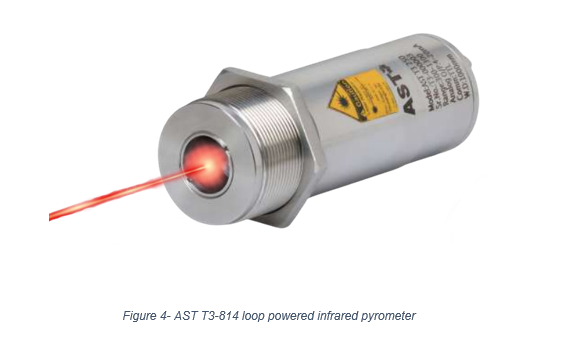 Industry-specific applications highlight how requirements vary across sectors, with mining operations requiring continuous monitoring of conveyors, crushers, kilns, and rotating equipment in environments characterised by extreme dust, long distances, vibration, and harsh conditions, where solutions include robust sensors like the AST EL50, air purge systems, protective housings, and high D:S ratios, with reliability often taking priority over absolute accuracy, while steel and metals industries demand short-wavelength or two-colour sensors to handle extremely high temperatures, low emissivity materials, and obstructed views, and energy and power generation applications focus on safety-critical monitoring of boilers, turbines, and electrical systems through integrated continuous monitoring solutions.
Cement and bulk material industries face challenges of dust, heat, and distance requiring cooling and purge systems, food and beverage applications prioritise hygiene and moisture resistance with sealed sensors, plastics processing requires fast response and emissivity adjustment, and glass manufacturing demands specialised wavelength sensors for transparent materials and extreme temperatures.
Real-world case studies demonstrate the value of infrared thermometry, including mining operations where fixed sensors eliminated conveyor fire incidents, reduced downtime, improved safety, and delivered rapid return on investment, steel manufacturing where improved temperature control reduced fuel consumption and enhanced product consistency, and food processing where continuous monitoring ensured compliance and eliminated contamination risks.
These systems often deliver strong ROI through reduced downtime, energy savings, improved product quality, and lower labour costs, with additional benefits including reduced insurance risk, improved compliance, and extended equipment lifespan.
Selecting the right solution involves defining the application, understanding temperature range and target movement, evaluating environmental conditions such as dust, heat, and vibration, determining optical requirements based on distance and target size, addressing measurement challenges like emissivity and obstructions, selecting the appropriate sensor type whether general-purpose, high-temperature, or two-colour, planning installation with proper mounting and protection, ensuring integration with control systems, and establishing a maintenance plan, ultimately ensuring accurate, reliable, and efficient temperature measurement. Infrared thermometers are widely used across industries including mining, steel, food, plastics, energy, and cement, with performance depending on correct configuration, installation, and maintenance, and for complex applications, working with experienced providers.
Pyrosales offers access to technical expertise, tailored recommendations, site assessments, and proven industrial solutions, enabling reliable measurement, reduced downtime, and strong return on investment.