
To understand how 2-, 3-, and 4-wire PT100 temperature sensors operate, it is important to first grasp the fundamentals of temperature sensors, what a PT100 is, and the purpose of the different wiring configurations
A temperature sensor is a device that alters its resistance at a predictable rate in response to changes in temperature. These circuit elements experience an increase in resistance as temperature rises, allowing precise temperature monitoring and control.
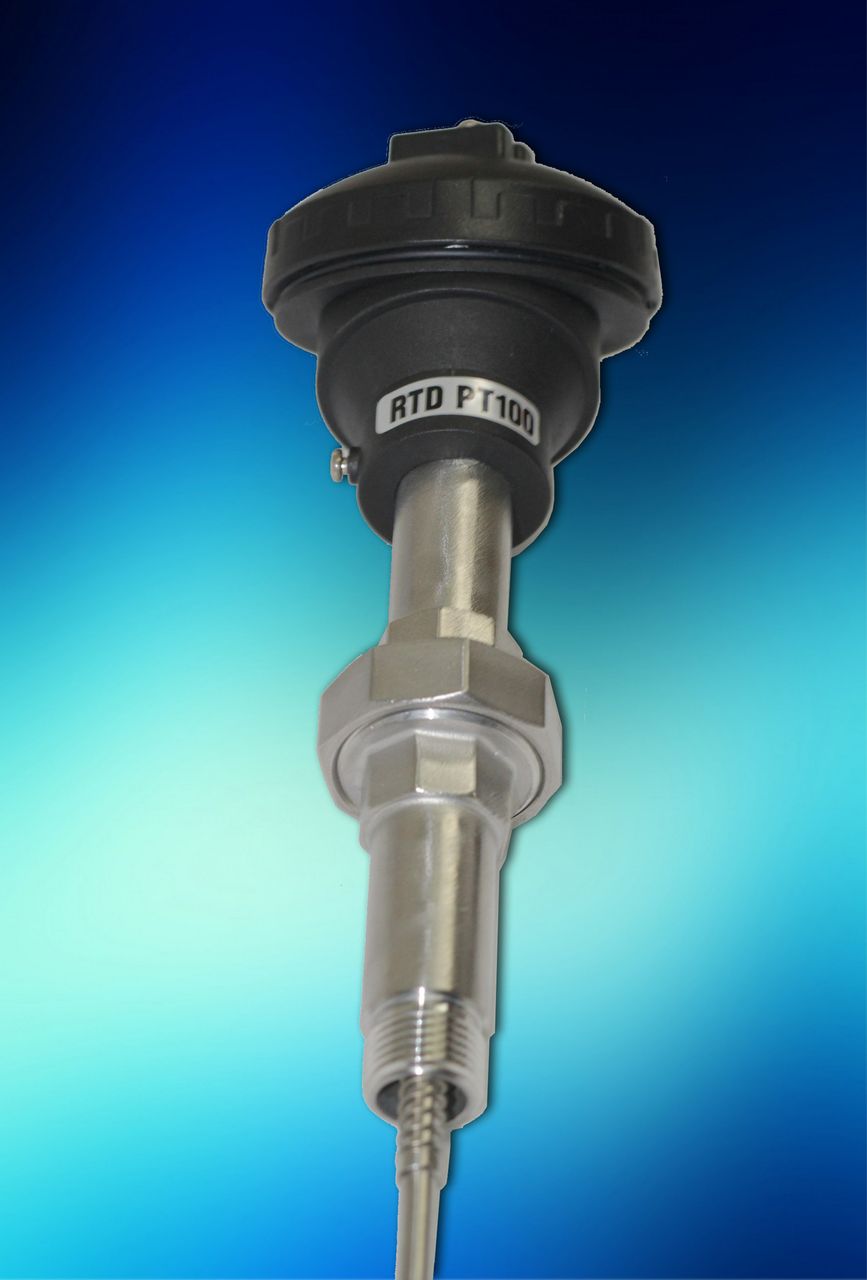 The PT100 is the most widely used type of Resistance Temperature Detector (RTD). It has a resistance of 100 Ohms at 0°C and 138.5 Ohms at 100°C. PT100 sensors are available for both industrial and general-purpose applications, alongside other options such as PT250, PT500, and PT1000,
PT100 sensors are renowned for their stability, accuracy, and repeatability. In industrial processes and laboratory environments, they are often chosen over thermocouples for their consistent performance, particularly in electrically noisy environments (e.g., near generators, motors, and high-voltage equipment). While PT100s are highly accurate, it is often the repeatability of readings, rather than absolute accuracy, that makes them most valuable in practical applications.
PT100 assemblies are designed for two general temperature ranges:
The RTD was invented by Werner von Siemens in 1871. Although initially unreliable, the technology advanced significantly with Hugh Longbourne Callendar’s development of the first commercially successful platinum RTD in 1885.
Early RTDs were fragile, made from fine wire and ceramics, and were sensitive to vibration and shock. Modern RTDs have evolved with flat film technology, which has improved robustness and reduced costs, particularly for applications below 250°C where the slight decrease in accuracy at higher temperatures is not critical.
Traditionally, RTDs were 20–30% more expensive than thermocouples, especially for high-temperature models requiring specialized materials. However, recent manufacturing innovations have made PT100s more affordable, helping them become the industry standard for many applications.
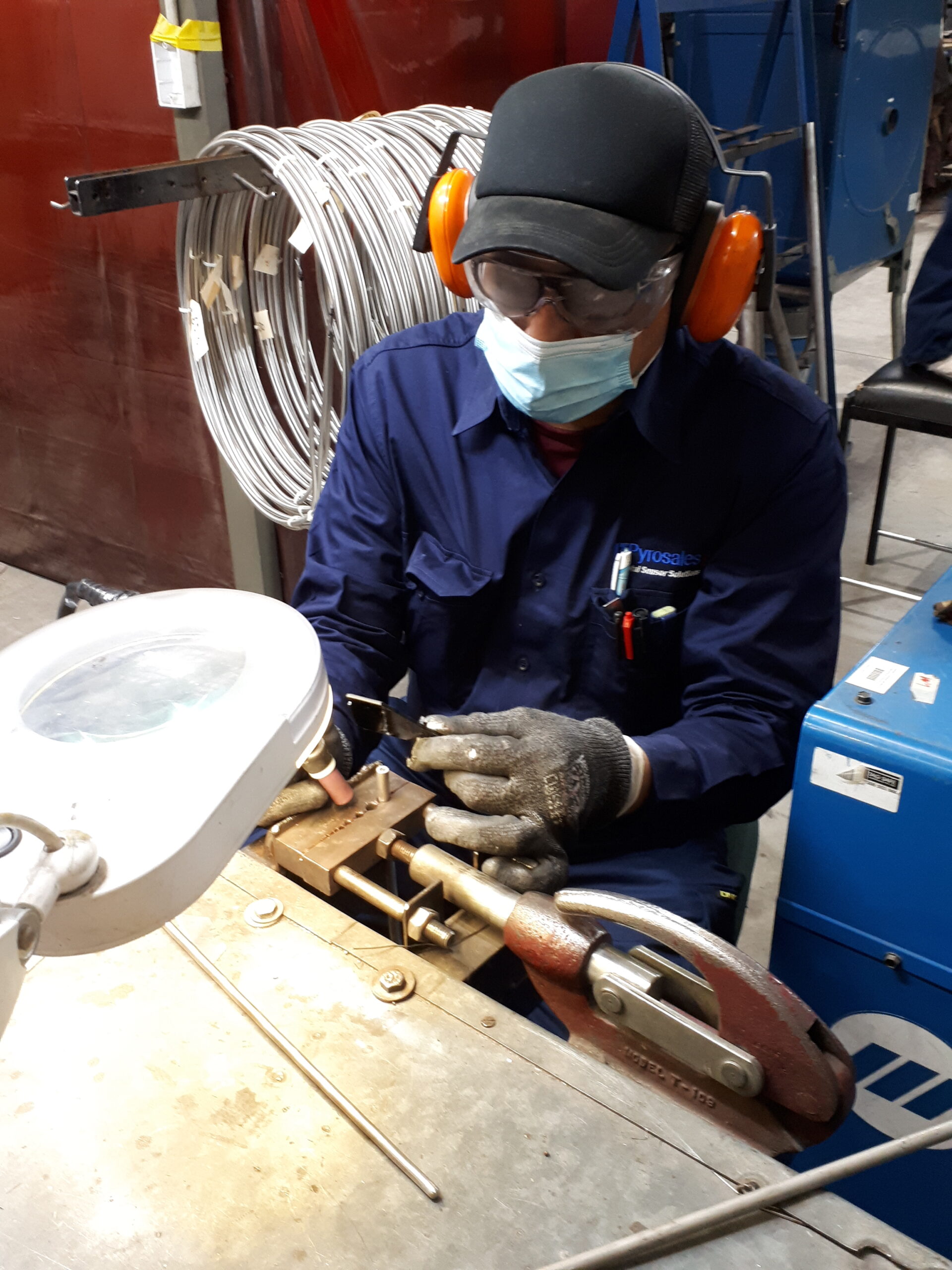 RTDs are designed for precise and repeatable temperature-resistance characteristics. The sensing element is typically a platinum wire coil or a thin platinum film etched onto a substrate.
The element is housed in a stainless-steel sheath and is insulated with materials such as alumina powder or magnesium oxide (MgO). Wire insulation materials like nickel alloys, tinned copper, or silver-plated copper help determine the sensor’s maximum operating temperature.
RTDs are ideal when:
Advantages:
Disadvantages:
When installing an RTD, sufficient immersion is crucial to avoid measuring an average of the process and external influences. The active sensing area, which varies by element length, must be fully immersed to ensure accurate process temperature readings. Good thermal transfer over the first 40mm of the shaft is critical, especially when installing RTDs in thermowells.
Pyrosales engineers are available to assist clients throughout all project stages, from initial planning and development to upgrading existing systems. Our experienced team is ready to offer expert advice and recommendations, ensuring the best outcomes and value.
Pyrosales Pty Ltd is ISO 9001 certified (Certificate Number A1066AUS), demonstrating our commitment to maintaining the highest quality management systems and standards.